
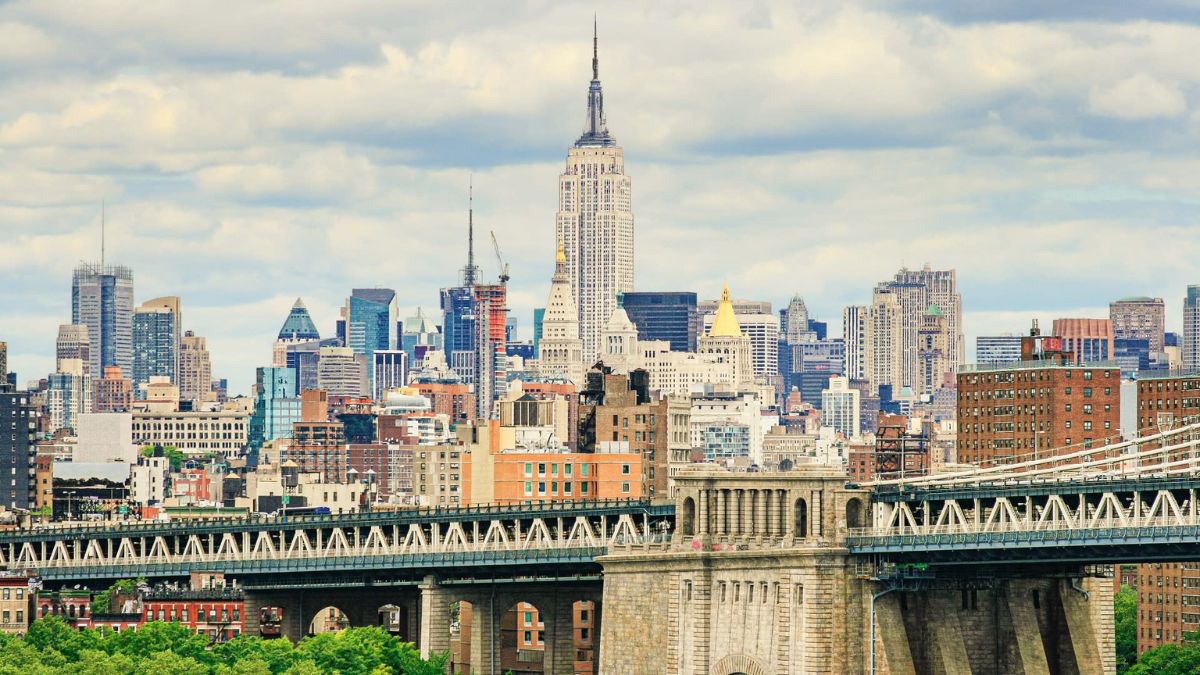
Starting January 2026, workers across New York earning minimum wage will once again see an increase in their paychecks. As part of Governor Kathy Hochul’s 2024 budget plan, this marks the second of two scheduled 50-cent increases and is part of the state’s broader plan to boost earnings and adjust wages for inflation over time.
So, what exactly is changing? Let’s break it down.
Update

In 2026, the minimum wage will rise across the state as follows:
- $17 per hour in New York City, Westchester County, and Long Island
- $16 per hour in the rest of New York State
This follows the 2025 wage levels of $16.50 (NYC/Westchester/LI) and $15.50 (rest of state), keeping New York on track with gradual wage growth designed to match the rising cost of living.
Timeline
Here’s a quick breakdown of the recent and upcoming minimum wage changes in New York:
| Year | NYC, Westchester, Long Island | Rest of NY State |
|---|---|---|
| 2024 | $16.00 | $15.00 |
| 2025 | $16.50 | $15.50 |
| 2026 | $17.00 | $16.00 |
These increases are structured to provide both workers and employers time to adjust, while still keeping wages moving upward.
Indexing
What’s next after 2026? Starting in 2027, the state is switching gears. Minimum wage increases won’t be fixed by lawmakers anymore—instead, they’ll be tied to inflation.
Specifically, wages will be indexed to the Consumer Price Index (CPI) for Urban Wage Earners and Clerical Workers in the Northeast Region. This means future wage hikes will automatically adjust based on the real cost of living, without the need for political debates or annual legislation.
Goals
This new approach serves a few key purposes:
- Keeps wages current with inflation
- Offers stability for workers and employers
- Eliminates delays in raising wages due to political gridlock
- Supports low-income families with consistent wage growth
It’s a system that aims to better reflect economic reality—because when rent, food, and gas prices go up, wages should follow suit.
Impact
These changes affect hundreds of thousands of New Yorkers, from retail and restaurant workers to delivery drivers and part-time employees. For workers in expensive areas like NYC or Long Island, the bump to $17 an hour will make a difference, even if it may not feel like a lot.
And for businesses? Yes, payroll costs rise—but it also helps with employee retention, satisfaction, and productivity. Many small businesses are already preparing for the shift, adjusting pricing and planning ahead to manage the change.
Preparation
If you’re an employee, it’s worth double-checking your pay stub after January 1, 2026, to ensure your wages reflect the new minimums. And if you’re an employer, now’s the time to review your payroll systems and update your budgets.
New York State’s Department of Labor is expected to release official wage orders and compliance guides closer to the end of 2025, so keep an eye out for updates.
FAQs
What is NYC minimum wage in 2026?
It will rise to $17 per hour starting January 2026.
What’s the upstate NY wage in 2026?
The rest of NY state will see a rise to $16 per hour.
How much was minimum wage in 2025?
$16.50 in NYC/Westchester/LI, $15.50 elsewhere.
Will wages keep rising after 2026?
Yes, starting in 2027, wages will be tied to inflation.
What is the CPI linkage in 2027?
Wages will follow CPI for Northeast urban workers.