
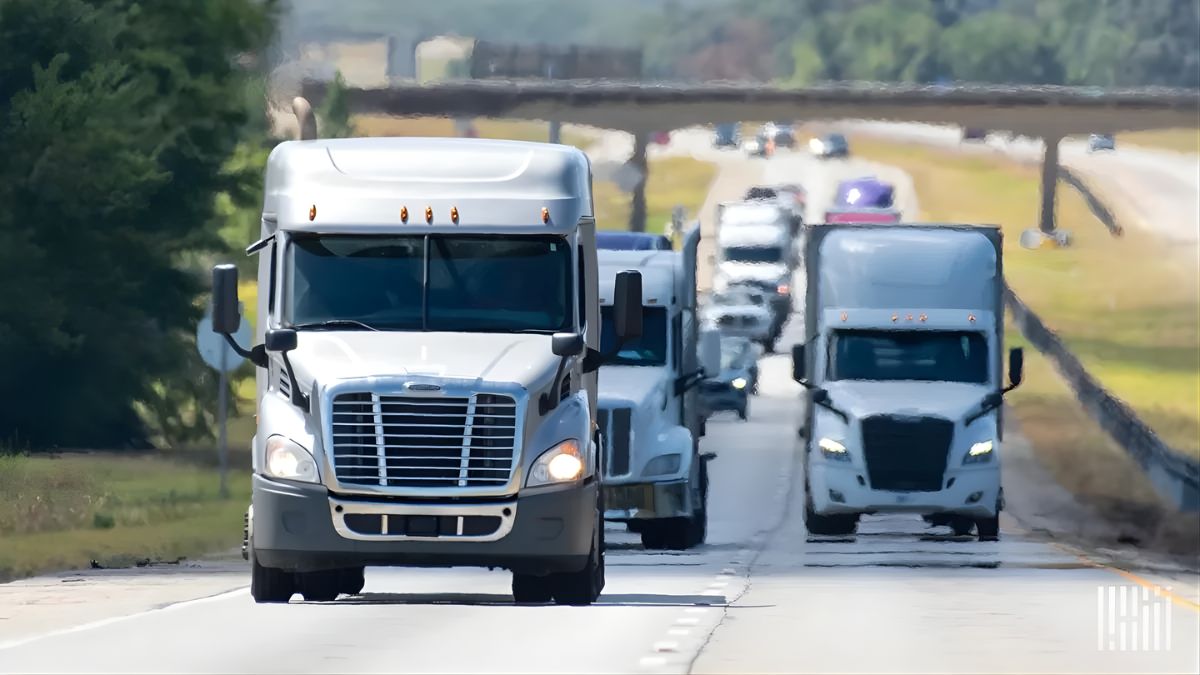
Drivers traveling through parts of Colorado may want to rethink their lane choices, especially if they’re behind the wheel of a big rig. A newly enacted law now bans commercial vehicles, including semitrailers, from using the left lane on several high-risk segments of Interstate 70. Break the rule? You could face a $100 fine and rack up four points on your license — a serious penalty, especially for commercial drivers.
So, what’s behind this traffic crackdown, and what areas are affected? Let’s break it down.
Reason
The Colorado Department of Transportation (CDOT) says the law is all about safety, speed, and keeping traffic moving in some of the most dangerous and weather-prone sections of I-70. These areas include mountainous passes with steep grades where traffic can come to a grinding halt, especially during bad weather.
“When a semi blocks the left lane on the Vail Pass or the Eisenhower-Johnson Tunnels approach, it can shut down travel for hours,” said CDOT Executive Director Shoshana Lew.
The new restriction is designed to prevent such shutdowns and give snow plows and emergency crews the space they need to keep the roads open.
Zones
The law doesn’t apply to the entire highway — only specific stretches that are known trouble spots. These include:
- Vail Pass
- Eisenhower-Johnson Memorial Tunnel approach
- Georgetown
- Glenwood Canyon
CDOT will mark these areas clearly with new signs and lane markings, so truckers can’t claim they didn’t know. It’s a targeted approach — focused only on the most dangerous sections, where delays have a ripple effect for everyone on the road.
Penalties
So what happens if a truck driver ignores the rule?
- $100 fine
- Up to 4 points on their driver’s license
For commercial driver’s license (CDL) holders, that’s a big deal. Points on a CDL can add up fast and may even trigger additional penalties or affect employment. Because of how CDL points are calculated, a four-point offense is considered significant and could lead to license suspensions if violations stack up.
The Colorado State Patrol is taking enforcement seriously, especially during storms or peak traffic periods when the risk of accidents or delays is highest.
Enforcement
You won’t just be warned. Patrol units are actively monitoring left-lane use, especially in areas with known weather-related issues. That includes snowy conditions, icy roads, and heavy traffic — all of which are common on I-70 during winter months.
CDOT’s de-icing and snow-clearing strategy relies on predictable traffic patterns. When trucks jam up the left lane, it not only causes delays but also blocks snow plows from treating the road effectively. This can make travel conditions worse for everyone.
Benefits
Interestingly, following the rule has a few built-in perks for truckers:
- The right and middle lanes receive more frequent plowing
- These lanes are treated first in icy conditions
- Staying out of the left lane can reduce crash risk
So, in a way, sticking to the law not only keeps you legal — it also puts you in safer, better-maintained lanes.
Impact
This law is a strategic move to improve traffic flow in areas where just one blocked lane can cause hours of delay. Whether it’s holiday traffic, ski season rush, or a surprise snowstorm, the goal is to keep I-70 open and moving — for everyone.
Commercial drivers play a huge role in that system. By simply staying out of the left lane in marked zones, they help prevent chain-reaction traffic jams, improve safety, and support road maintenance crews doing critical work.
For everyday drivers, the change could mean smoother trips through the mountains. For commercial drivers, it’s a simple adjustment with big consequences if ignored.
FAQs
Where does the left lane ban apply?
It applies to high-risk sections of Colorado’s I-70, like Vail Pass.
Who is affected by this new rule?
Commercial vehicles like semitrailers are banned from the left lane.
What’s the penalty for breaking the rule?
A $100 fine and up to four license points.
Why was this law introduced?
To reduce crashes and traffic delays in steep, icy areas.
How will the zones be marked?
CDOT will use signs and lane markings in affected areas.