
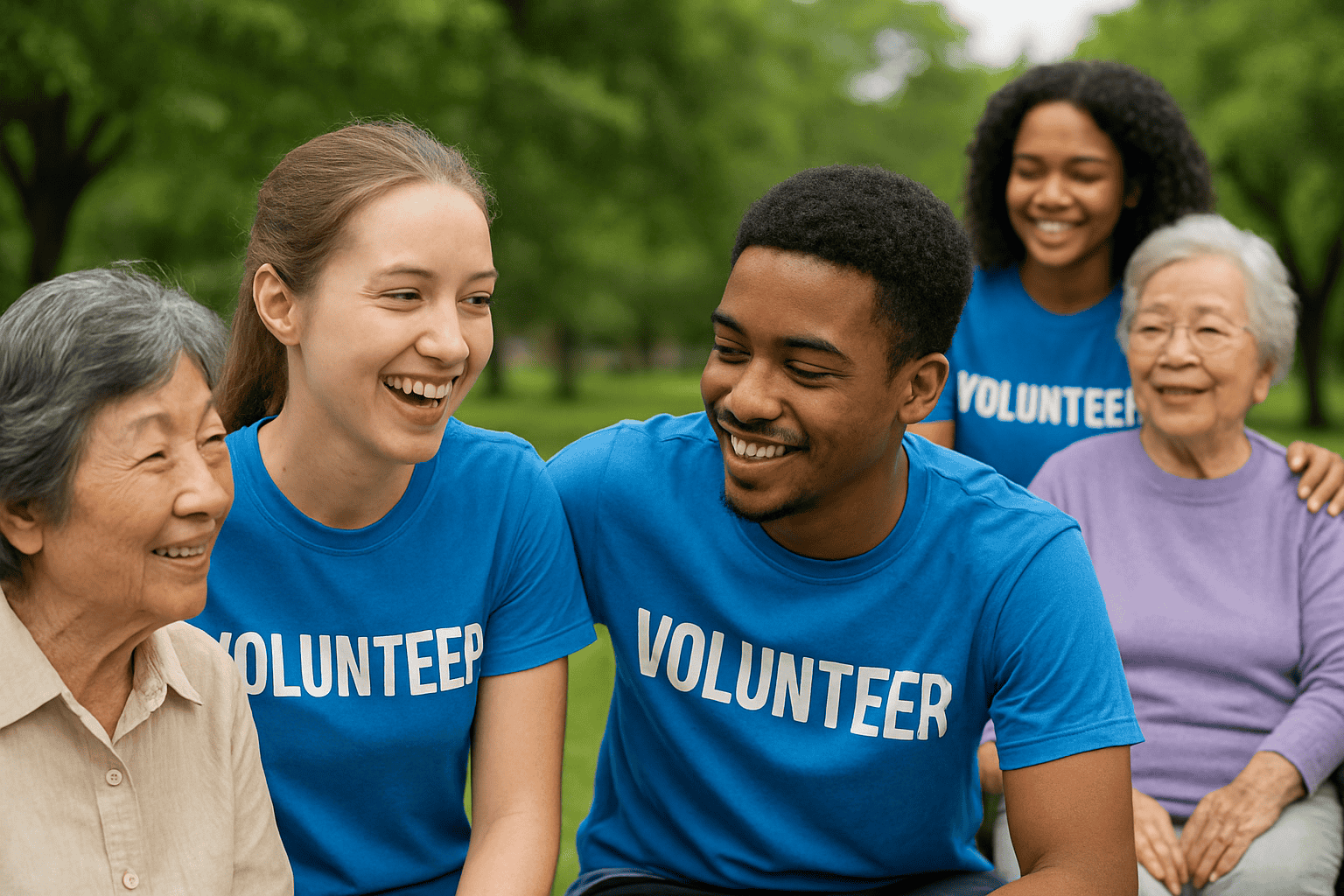
Volunteering is not only a way to help others — it is also a powerful tool for improving mental health in young people. Teens today face increasing pressure from school, social media, friendships, and future expectations. Volunteering gives them a healthy way to build confidence, reduce stress, and stay emotionally balanced.
Here’s how volunteering positively impacts the mental well-being of young people.
Reduces Stress and Anxiety
Helping others shifts the focus away from personal worries. When teens participate in community service, they feel more relaxed, engaged, and productive. Research shows that meaningful activities lower stress hormones and promote emotional stability.
Boosts Confidence and Self-Esteem
Young volunteers often take on responsibilities such as teaching, organizing events, or supporting peers. Completing these tasks successfully helps them feel capable and confident. This sense of achievement plays a big role in improving self-esteem.
Increases Social Connection
Volunteering brings teens together with people who share similar goals. These connections reduce loneliness, build friendships, and improve communication skills. Having a supportive community is essential for good mental health.
Provides a Sense of Purpose

Many young people struggle to understand their role in the world. Volunteering gives them a meaningful purpose by showing how their actions create real impact. Feeling needed and valued helps reduce feelings of sadness or isolation.
Encourages Positive Thinking
When teens help those in need — children, seniors, animals, or communities — they learn gratitude and empathy. This mindset leads to more positive thinking and fewer negative thoughts. Volunteering teaches young people to appreciate their strengths and circumstances.
Improves Emotional Intelligence
Working with diverse groups teaches teens to understand emotions, both their own and others’. They become better at handling conflicts, managing stress, and supporting people emotionally. Emotional intelligence is key to long-term mental well-being.
Helps Build Healthy Routines

Volunteering gives structure to a young person’s life. Regular activities help them manage their time better, stay active, and reduce unhealthy habits. A consistent routine is especially helpful for those dealing with anxiety or depression.
Reduces the Impact of Social Media Pressure
Many teens compare themselves to others online. Volunteering shifts their attention toward real-life actions instead of digital validation. This break from social media can significantly improve mental clarity and emotional balance.
Creates Hope for the Future
Helping others shows teens that change is possible. They begin to believe in their ability to shape their own future positively. Hope and optimism are powerful protectors against mental health struggles.
Why Mental Health Benefits Matter
Young people who volunteer regularly experience:
- Better emotional stability
- Stronger relationships
- Increased resilience
- Improved focus in school
- Greater life satisfaction
Supporting mental health early helps teens grow into confident and responsible adults.
Conclusion
Volunteering is more than a social activity — it is a powerful path to emotional well-being. It reduces stress, increases confidence, builds connections, and gives young people a deeper sense of purpose. With consistent involvement, volunteering can transform both the community and the mental health of the youth who participate.
Encourage young people to volunteer today — the benefits last a lifetime.