
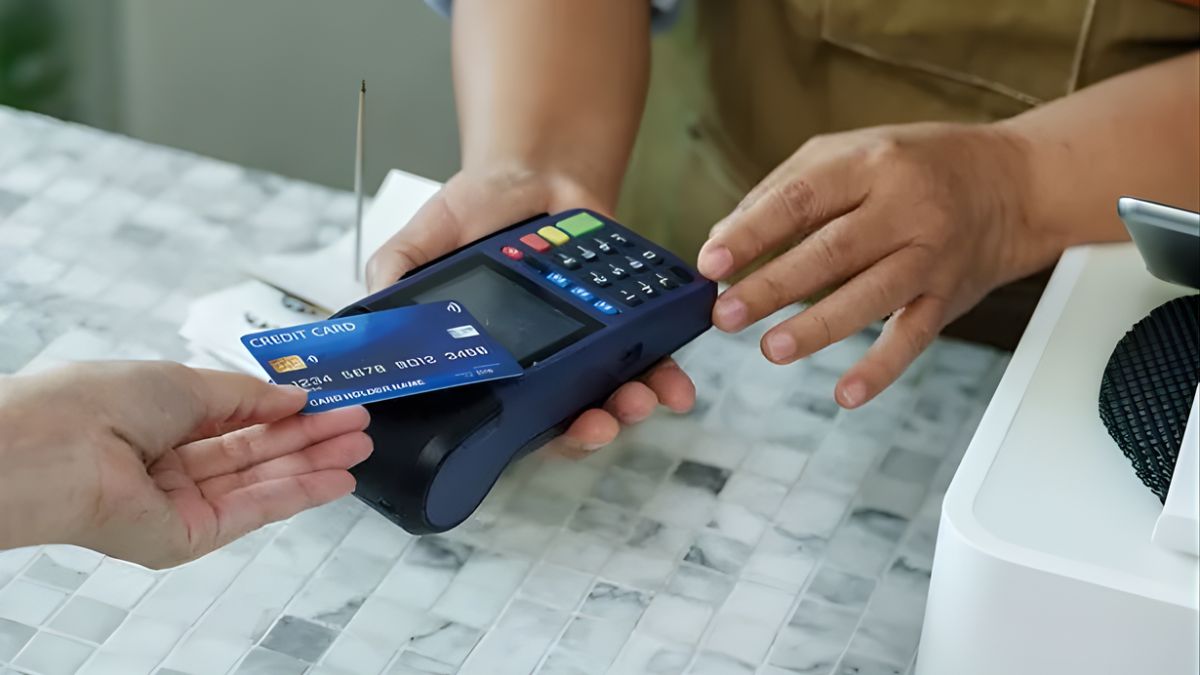
Big changes are coming to how we tap and pay. From March 2026, the £100 contactless payment limit will be scrapped — giving banks and card providers the power to set their own limits, or remove them entirely.
The Financial Conduct Authority (FCA) has announced the new rules, saying the move is about giving institutions more control over risk, while also offering consumers increased flexibility. But while the shift might seem like a win for convenience, many experts are ringing alarm bells over fraud, consumer protection, and the safety of vulnerable users.
History

Contactless payments were first introduced in the UK back in 2007 with a modest £10 limit. Over time, that ceiling has crept up:
| Year | Contactless Limit |
|---|---|
| 2007 | £10 |
| 2010 | £15 |
| 2015 | £30 |
| 2020 | £45 |
| 2021 | £100 |
| 2026 | No cap (bank decides) |
From 19 March 2026, that £100 limit will be gone — replaced by custom limits decided by individual banks and card issuers.
Shift
According to payment consultant Chris Jones, the change isn’t just about letting people spend more with a tap. It’s really about shifting the burden of managing risk from the FCA to banks themselves.

He says: “This isn’t about bigger limits — it’s about moving the responsibility. Banks now need to balance customer freedom with security, and that’s a big ask.”
Jones also highlights a silver lining for users: “The upside is personalisation. If banks do this right, people can set their own limits, toggle contactless on or off, and manage their preferences from an app.”
But he warns: “If banks raise limits without proper communication or safety measures, they risk breaking consumer trust.”
Fraud

With bigger contactless limits comes one obvious concern: fraud. According to the FCA, removing the £100 cap could result in an extra £31.3 million in contactless fraud each year — a 131% jump.
Jonathan Frost of fraud prevention firm BioCatch explains: “The convenience of contactless is also its vulnerability. Thieves don’t need a PIN or ID to use stolen cards — and if the cap is removed, the damage could be much worse.”
He warns that many retailers are already uneasy about contactless payments due to chargeback abuse. As limits rise, so could that hesitation — potentially hurting the very convenience contactless aims to provide.
Frost adds: “Banks need to go beyond card-based fraud detection. Behavioural monitoring — tracking how real users behave — is key to catching fraud before it happens.”
Vulnerable
One of the most worrying parts of the change is how it could impact disabled people and those with cognitive conditions. Georgina Colman, founder of Purpl, a discount scheme for people with long-term conditions, says higher contactless limits could pose real dangers.
“For people with ADHD or other neurodivergent conditions, impulsive spending is already a challenge,” she explains. “Remove the friction of spending, and it becomes much easier to go over budget without realising.”
Colman adds that higher limits could also make vulnerable people easier targets for financial abuse. “People with dementia, learning difficulties or cognitive impairments are especially at risk. If it’s easier to spend large amounts without a PIN or ID, it’s also easier for others to take advantage of them.”
Control
What’s the solution? According to Colman and other advocates, it’s all about choice. Banks should give users the power to:
- Set their own spending caps
- Get real-time alerts
- Enable or disable contactless quickly
- Choose between fixed or flexible settings
A one-size-fits-all approach won’t work. Vulnerable users need protection — but they also deserve the independence to make safe financial decisions on their own terms.
As Colman puts it: “This change isn’t harmless. Banks must give people the tools to protect themselves — especially those more likely to face financial harm.”
FAQs
When is the contactless limit change happening?
The new rules take effect from 19 March 2026.
Will the £100 contactless limit be removed?
Yes, banks will set their own contactless limits or remove them.
Could fraud increase after the limit is lifted?
Yes, FCA estimates a 131% rise in contactless fraud.
Can I set my own contactless spending limit?
Yes, many banks will allow personal limits via their app.
Are vulnerable people at higher risk?
Yes, higher limits could lead to overspending or financial abuse.